Creating effective Key Opinion Leader (KOL) engagement plans has long been a cornerstone of Medical Affairs strategy. These plans are essential for building meaningful collaborations with healthcare professionals (HCPs) and ultimately improving patient outcomes.
Yet, despite their importance, the process of creating them has traditionally been slow, repetitive, and often disconnected from real-world needs.
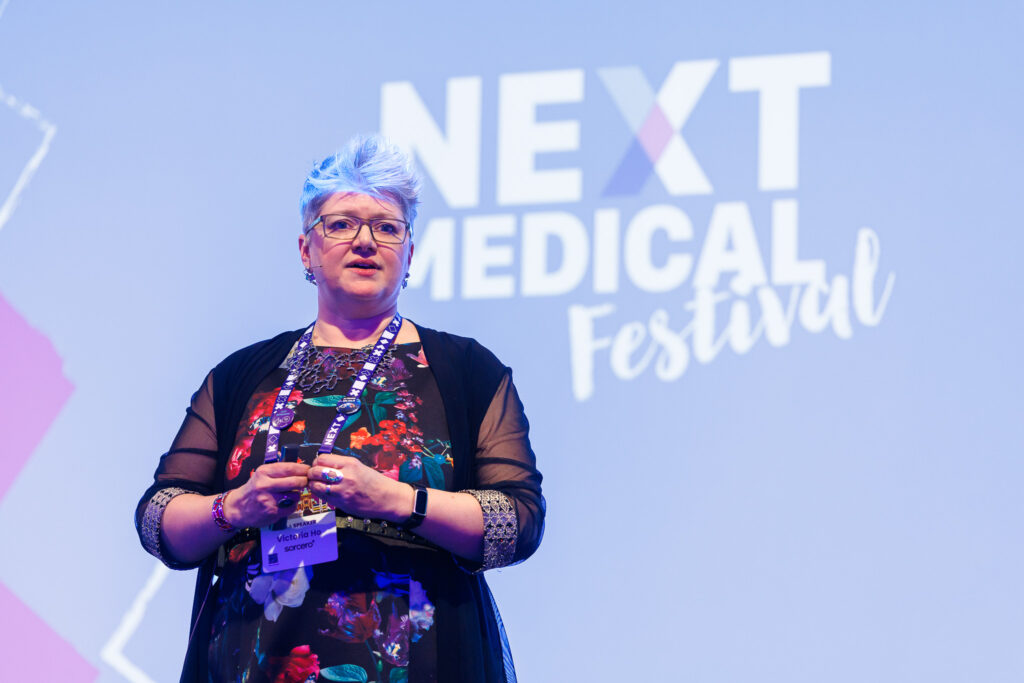
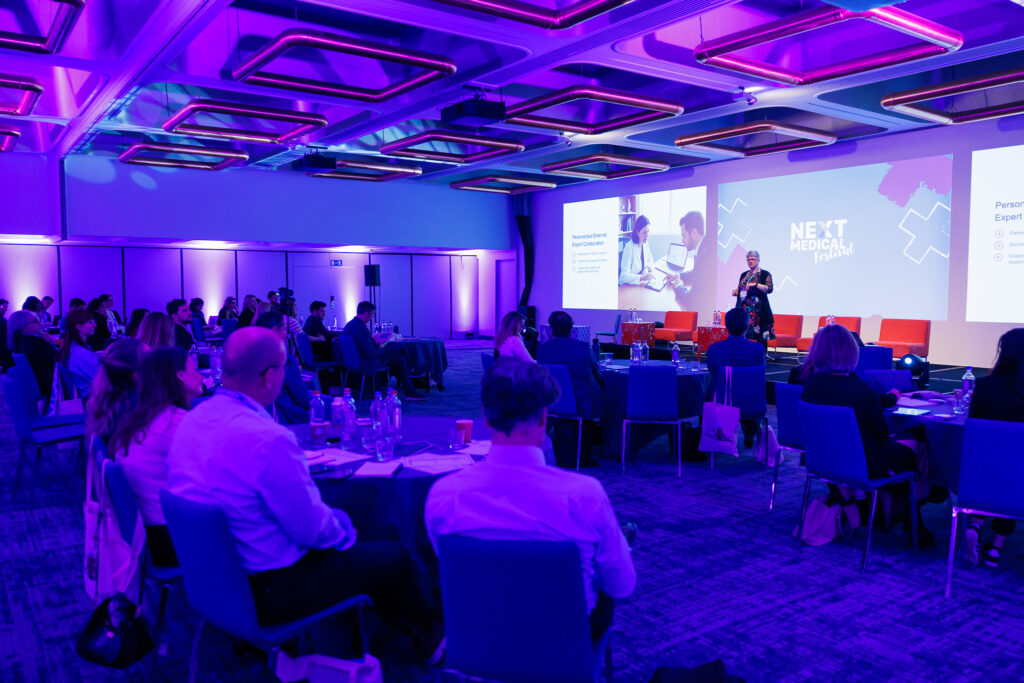
This was the topic on the recent NEXT Medical Festival in Brussels, where Victoria Ho showed why do traditional KOL Engagement Plans failing an how to use AI to transform it.
Today, AI in healthcare is changing that, redefining how teams approach planning, personalization, and execution.
Why Are Traditional KOL Engagement Plans Failing?
In theory, KOL engagement plans are designed to be personalized, strategic, and outcome-driven. In reality, they often fall short.
Medical Science Liaisons (MSLs) are typically tasked with developing plans for 10–20 HCPs within their territory. They start with global strategy documents, templates, and limited data. The process is manual and time-consuming, often taking days to complete.
The result?
- Repetitive tactics across plans
- Generic activities like advisory boards or symposium invitations
- Limited alignment with individual clinician needs
- Plans that are created once and rarely updated
Even within a strong Medical Affairs strategy, these plans often become a “tick-box exercise” rather than a dynamic, value-driven tool.
Why Do KOL Engagement Plans Still Matter?
KOL engagement plans matter because they enable structured collaboration, track progress, and demonstrate the impact of Medical Affairs on patient outcomes.
Despite these challenges, KOL engagement plans remain essential in artificial intelligence in Pharma and modern medical ecosystems.
They serve as:
- A framework for collaboration with external experts
- A record of progress toward long-term patient outcomes
- A measurable indicator of Medical Affairs impact
The key shift is understanding that these plans should not be written about HCPs—but with them. Co-creation builds trust, aligns goals, and ensures that activities are meaningful for patient care. This is where AI in healthcare begins to unlock real value.
How Is AI in Healthcare Transforming KOL Engagement Planning?
AI in healthcare transforms KOL engagement planning by generating personalized, data-driven plans quickly and aligning them with clinician needs.
AI introduces a fundamentally new approach. For teams exploring how to use AI for KOL engagement plans, the biggest shift is speed combined with relevance.
Instead of starting from a blank page, MSLs can now generate a first draft of an engagement plan in minutes using AI for Medical Affairs planning. This is not about replacing human expertise—it’s about augmenting it.
AI can analyze multiple data sources, including:
- Scientific publications
- Congress presentations
- CRM notes from previous interactions
- Advisory board transcripts
- Digital activity and thought leadership
By combining these inputs, AI in healthcare can identify:
- Knowledge gaps
- Clinical interests
- Treatment challenges
- Potential collaboration opportunities
The result is a goal-based, personalized draft plan tailored to the individual HCP, supporting personalized KOL engagement strategies with AI.
Why Is Precision More Important Than Generalization?
Precision is more important than generalization because personalized plans based on individual clinician needs lead to more relevant and effective engagement.
One of the biggest advantages of AI in healthcare is precision.
Traditional plans often start with company strategy and try to apply it to all stakeholders. AI flips this model:
- Start with the individual clinician’s needs
- Build a plan around those needs
- Align it with company strategy and compliance requirements
This ensures that every interaction is relevant and valuable.
This ensures that every interaction is relevant and valuable while strengthening the overall Medical Affairs strategy.
This shift leads to:
- Greater consistency in plan quality
- Stronger alignment with patient-focused goals
- More meaningful engagement with HCPs
What Is the Role of Human Experts in AI-Driven Planning?
Human experts are essential in AI-driven planning because they validate insights, ensure compliance, and co-create plans with HCPs.
While AI in healthcare is powerful, it is not perfect.
There are still critical limitations:
- Missing or incomplete data
- Inability to fully understand intent or context
- Risk of “hallucinations” (incorrect assumptions)
That’s why the human-in-the-loop remains essential.
MSLs play a key role in:
- Validating AI-generated insights
- Adjusting tactics based on budget and compliance
- Bringing real-world relationship knowledge into the plan
- Co-creating the final version with the HCP
In practice, the most effective approach to improving HCP collaboration using AI combines machine efficiency with human judgment.
How Does AI Turn Static Plans into Living Strategies?
AI turns static plans into living strategies by enabling continuous updates based on new data and evolving clinician needs.
Perhaps the most important shift driven by AI in healthcare is not just speed—it’s adaptability.
Because AI reduces the time required to create plans, teams can now:
- Update plans regularly
- Respond to new data or changing clinician needs
- Continuously refine engagement strategies
This transforms engagement plans from static annual documents into living, evolving tools powered by artificial intelligence in pharma.
How Can Data Gaps Become Opportunities?
Data gaps become opportunities because they guide meaningful conversations and help refine engagement plans with HCPs.
Interestingly, AI in healthcare also highlights what you don’t know.
Missing data is no longer just a limitation—it becomes a conversation starter. It provides a clear direction for the next interaction with the HCP:
- “Is this a priority for you?”
- “Are these challenges accurate?”
- “What outcomes matter most for your patients?”
This reinforces the shift toward true collaboration and supports more effective personalized KOL engagement strategies with AI.
Key Takeaways for Medical Affairs Teams
To successfully adopt AI in healthcare for KOL engagement planning, keep these principles in mind:
- Ensure AI has access to comprehensive, high-quality data
- Always perform a final human review
- Use AI for first drafts, not final decisions
- Focus on co-creation with HCPs
- Treat plans as dynamic, continuously updated tools
The Future of Engagement Planning
AI in healthcare is not just making engagement plans faster—it’s making them smarter.
By enabling precision, personalization, and continuous improvement, AI in healthcare allows Medical Affairs teams to focus on what truly matters: driving better patient outcomes through meaningful collaboration.
And that’s where real value is created.
FAQ - KOL Engagement Plans
What is the role of AI in KOL engagement planning?
AI in healthcare helps create faster, more data-driven and personalized engagement plans. It supports more effective AI for Medical affairs planning by improving accuracy and efficiency.
How to use AI for KOL engagement plans?
How to use AI for KOL engagement plans starts with feeding AI relevant data (publications, CRM insights, interactions). AI generates a draft, which MSLs refine and validate with the HCP.
Can AI improve collaboration with healthcare professionals?
Yes, improving HCP collaboration using AI is one of its key benefits. AI helps tailor interactions to each clinician’s needs, making engagement more relevant and effective.
What are personalized KOL engagement strategies with AI?
Personalized KOL engagement strategies with AI focus on creating tailored plans based on each HCP’s interests, challenges, and goals instead of using generic templates.
Why is AI important for Medical Affairs planning?
AI for Medical Affairs planning saves time, improves decision-making, and enables teams to create more dynamic and continuously updated engagement plans.
Is AI replacing MSLs in engagement planning?
No. AI supports how to use AI for KOL engagement plans, but MSLs remain essential for validation, relationship-building, and final decision-making.