Medical misinformation is no longer just an online nuisance—it’s a growing public health crisis. As digital platforms amplify misleading content faster than ever, trust in healthcare systems, professionals, and science itself is being challenged.
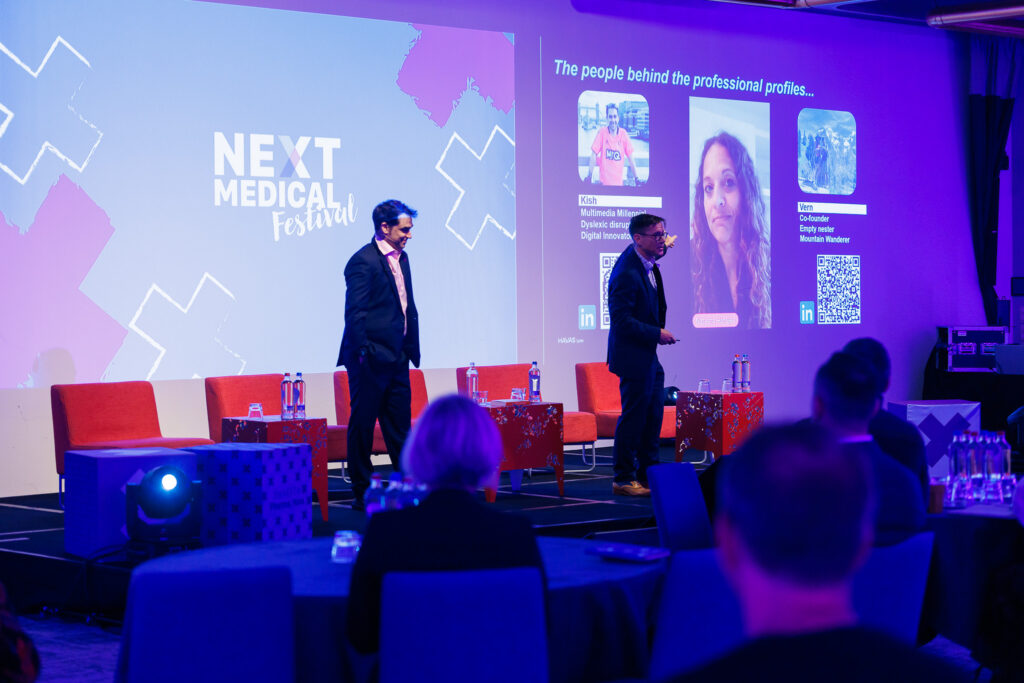
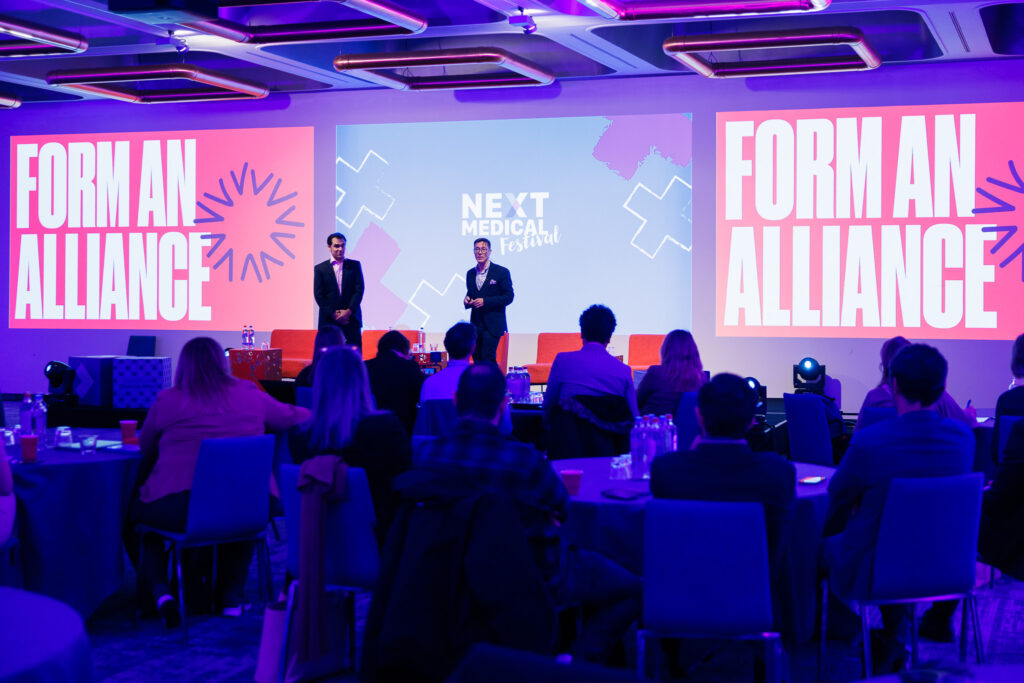
This topic was recently discussed at the Next Medical Festival, where experts including Vernon Bainton, Kishan Rees, and Natasha Hansjee explored how medical misinformation spreads and what can be done to address it.
Understanding how misinformation spreads—and what we can do about it—is now essential for anyone involved in healthcare, communication, or simply making informed decisions about their own health.
What is medical misinformation and why does it matter?
Medical misinformation is false or misleading health information that spreads widely and can harm trust, decisions, and outcomes.
We live in an era where information is abundant—but not always accurate. Medical misinformation has quietly evolved into a global public health threat, influencing how people think, feel, and act about their health. It doesn’t just confuse patients; it reshapes entire healthcare relationships and reduces health information trust across systems.
At its core, not all misinformation is the same. There are three key types:
- Misinformation: Incorrect information shared without harmful intent
- Disinformation: Deliberate falsehoods created to deceive
- Malinformation: Real data used misleadingly out of context
Understanding these distinctions is critical, especially when considering how to combat medical misinformation effectively.
Why is misinformation spreading faster than truth?
Because digital platforms reward engagement, not accuracy, which explains how medical misinformation spreads on social media.
Social media algorithms are designed to prioritize content that gets clicks, shares, and reactions. Unfortunately, emotionally charged or sensational content—often linked to medical misinformation—outperforms factual information.
Research shows that false information spreads significantly faster than truth.
- 61% of HCPs report a loss of trust with patients due to misinformation.
- 22% of patients regret sharing health information they thought was true.
- $50–300 million/day was lost during COVID due to misinformation-related harm.
False content spreads faster than the truth: studies show fake news spreads six times faster and is 70% more likely to be shared than accurate news.
And it’s not bots driving this - it’s humans, amplified by algorithms that reward engagement over accuracy.
This creates echo chambers where people repeatedly see content that reinforces what they already think. Over time, this leads to the “continued influence effect,” where false beliefs persist even after correction.
The uncomfortable truth? Humans—not bots—are the primary drivers of this spread.
How is trust in healthcare changing?
Trust is shifting from institutions to peer-to-peer networks, impacting overall health information trust.
Historically, people trusted doctors, hospitals, and global institutions. Today, that trust is fractured. Many now rely more on:
- Friends and family
- Online communities
- Influencers and social media voices
This shift is directly tied to the impact of misinformation on healthcare systems, as patients often arrive with pre-formed opinions shaped online—sometimes before they even speak to a clinician.
As a result, patients often arrive with pre-formed opinions shaped online—sometimes before they even speak to a clinician.
What real-world impact does misinformation have?
Medical misinformation damages relationships, causes harm, and increases healthcare costs.
The consequences of medical misinformation are not theoretical—they are measurable and significant:
- A majority of healthcare professionals report loss of trust with patients
- Many patients regret decisions made based on false information
- Financial damage during health crises can reach millions per day
Beyond numbers, the impact of misinformation on healthcare systems is profound. It can delay treatment, promote unsafe alternatives, and deepen health inequalities—especially among vulnerable populations.
Why is technology making this problem worse?
Because it enables rapid creation and scaling of misleading content.
Artificial intelligence and digital tools have dramatically lowered the barrier to content creation. Today, medical misinformation can be generated, scaled, and distributed at unprecedented speed.
Today, anyone can:
- Generate convincing but false medical content
- Mimic credible voices or experts
- Produce large volumes of information instantly
This creates a feedback loop: more content → more engagement → more visibility → more influence.
At the same time, regulation struggles to keep pace, allowing healthcare misinformation to thrive in these gaps.
Why do people still trust misinformation?
Because it feels relatable, simple, and emotionally reassuring.
People don’t seek medical misinformation intentionally—they seek answers. When systems feel slow or complex, alternative sources become more appealing.
Misinformation often:
- Speaks in simple language
- Provides immediate answers
- Connects emotionally
This explains why people trust health misinformation online, even when it conflicts with scientific evidence.
What can be done to combat medical misinformation?
A combination of education, engagement, and proactive communication is needed to reduce medical misinformation.
There is no single solution. However, a practical framework includes three actions:
- Counsel – Educate people to think critically and question sources
- Curb – Reduce the spread by being mindful of what we share
- Correct – Actively debunk false information when encountered
These steps are essential in how to combat medical misinformation effectively.
Importantly, silence is not neutral. When experts don’t speak, medical misinformation fills the gap.
What role do healthcare professionals and organizations play?
Healthcare professionals play a critical role in reducing medical misinformation and improving health information trust.
This requires:
- Communicating with clarity, not jargon
- Engaging emotionally, not just factually
- Being present where conversations happen (including social media)
The role of healthcare professionals in misinformation is no longer passive—they are frontline defenders of truth.
How can we rebuild trust in the digital age?
By creating transparent, human-centered communication that strengthens health information trust.
Rebuilding trust is not about winning arguments—it’s about building relationships. This is key in addressing medical misinformation effectively.
It requires:
- Listening before responding
- Engaging communities, not just broadcasting messages
- Working across sectors—healthcare, tech, media, and patients
Every action contributes to reducing healthcare misinformation and strengthening trust.
What is the future if we don’t act?
Medical misinformation will continue to erode trust, harm patients, and strain healthcare systems.
Doing nothing is not an option. The challenge is complex, but the opportunity is powerful.
By working together, we can ensure that truth becomes more visible, more accessible, and more impactful than medical misinformation.
Because in the end, this isn’t just about information—it’s about people, decisions, and lives.
FAQ - Medical Misinformation
How medical misinformation spreads on social media?
Medical misinformation spreads quickly because social media algorithms promote engaging, emotional, and shareable content over accurate information.
What is the impact of misinformation on healthcare systems?
Misinformation reduces trust, delays treatment, increases costs, and leads to poorer health outcomes.
How to combat medical misinformation?
By educating people, correcting false claims, and sharing clear, evidence-based health information consistently.
Why do people trust health misinformation online?
Because it is simple, emotional, relatable, and often feels more accessible than complex medical information.
What is the role of healthcare professionals in misinformation?
Healthcare professionals provide accurate information, correct false claims, and help patients make informed health decisions.