A modern Medical Affairs strategy is no longer optional—it is essential for success in today’s evolving environment. As behavioral expectations among healthcare professionals (HCPs) and key opinion leaders (KOLs) evolve, organizations must rethink their approach to healthcare engagement.
This shift is not only driven by technology, but also by demographic changes, regulatory pressures, and broader Pharmaceutical industry trends.
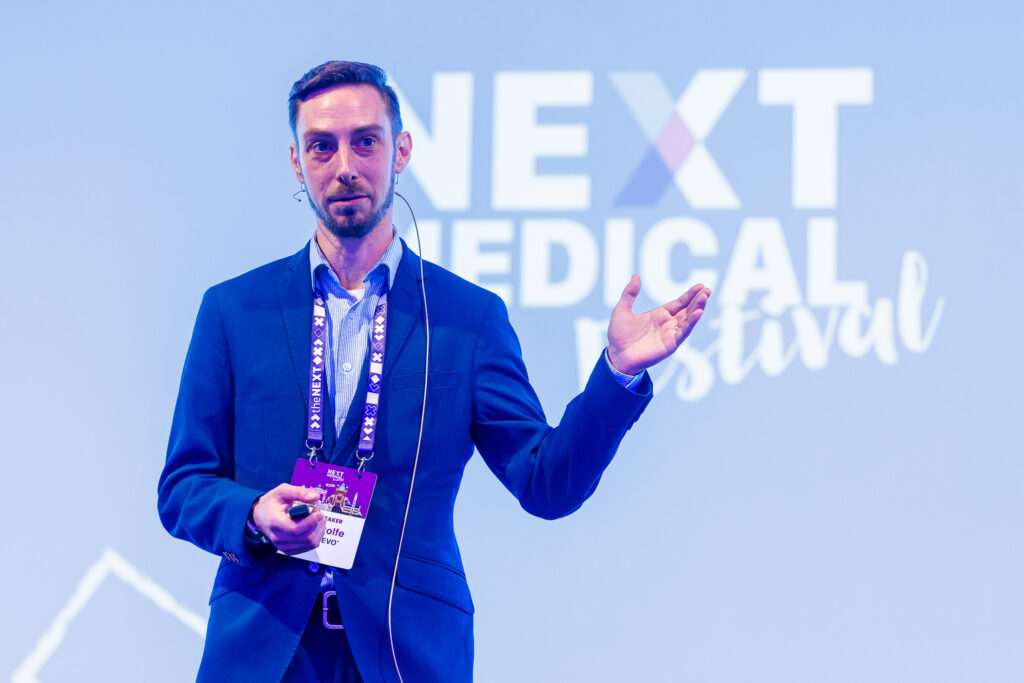
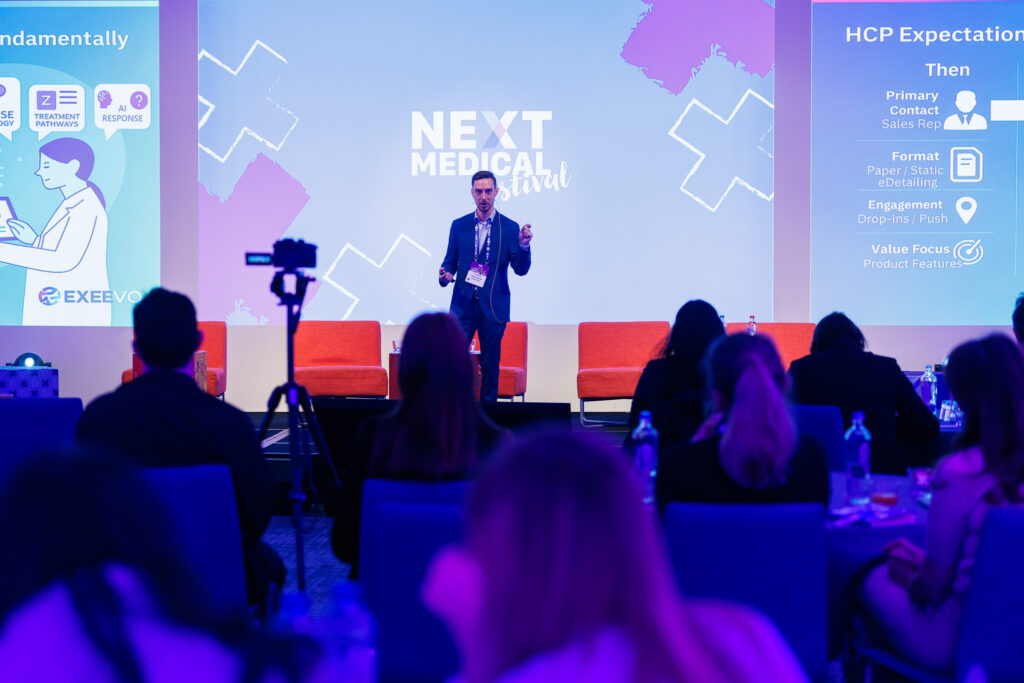
At the recent Next Medical Festival, Sam Rolfe explored how behavioral changes affect healthcare professionals, and how forward-thinking can help organizations adapt.
What is a Medical Affairs Strategy?
A medical affairs strategy is a structured approach used by pharmaceutical organizations to deliver scientific, evidence-based information to healthcare professionals (HCPs).
It ensures compliant, relevant, and data-driven healthcare engagement aligned with evolving pharmaceutical industry trends.
Key Drivers of Change in Healthcare Engagement
Several factors are reshaping how healthcare professionals interact with the pharmaceutical industry:
- Time constraints: HCPs have less time for traditional engagement methods
- Trust requirements: Increasing demand for evidence-based, unbiased information
- Scientific complexity: Growth of biologics, mRNA therapies, and precision medicine
- Digital transformation: Shift toward on-demand, digital-first engagement
These changes require a more adaptive and personalized medical affairs strategy.
How Behavioral Changes Affect Healthcare Professionals
Behavioral shifts among HCPs are significantly influencing engagement models:
- Reduced time for meetings and face-to-face interactions
- Preference for concise, high-value scientific content
- Increased reliance on digital and on-demand resources
- Higher expectations for personalization
As a result, Medical Affairs teams must prioritize efficiency, relevance, and scientific depth in every interaction.
How is the aging healthcare workforce affecting engagement?
An aging physician population is increasing workload pressures and changing communication expectations.
In many regions, including Europe and the United States, a significant portion of physicians are over 55, with many approaching retirement. This increases pressure on remaining professionals.
As a result, HCPs are more time-constrained than ever before. Younger doctors, meanwhile, often face digital barriers, requiring to balance traditional and digital engagement methods.
The diversity in age and experience demands flexible, multi-channel communication strategies.
How are demographic shifts shaping engagement strategies?
Demographic changes are transforming expectations across the healthcare ecosystem.
Younger HCPs—Millennials and Gen Z—are digitally native and expect on-demand access to scientific content. This directly influences evolving expectations of healthcare professionals in Pharma.
Evolving Expectations of Healthcare Professionals
Today’s HCPs expect:
- On-demand access to scientific information
- Personalized and relevant communication
- Seamless digital and in-person engagement
- High-quality, evidence-based content
This shift requires a transition from push-based communication to pull-based, HCP-driven engagement models.
How AI is Transforming Medical Affairs Strategy?
Artificial intelligence is becoming a core component of modern medical affairs strategy.
AI enables:
- Personalized engagement at scale
- Automated content delivery
- Real-time insights from data
- Improved targeting of HCP interactions
AI does not replace human expertise—it enhances it by enabling more informed and timely engagement.
How Medical Affairs Teams Can Use AI in Pharma?
Medical affairs teams can leverage AI to:
- Analyze HCP behavior and preferences
- Deliver personalized scientific content
- Optimize omnichannel engagement strategies
- Improve internal knowledge management
- Support evidence-based decision-making
These capabilities help align engagement strategies with evolving expectations of healthcare professionals in pharma.
What are the key challenges facing medical affairs teams?
The biggest challenges include organizational silos, cultural transformation, and the need for new skills.
Medical, Commercial, Clinical, and IT teams must work together more closely to create a seamless customer experience.
However, breaking down functional silos while maintaining governance and compliance remains complex.
In addition, organizations must invest in upskilling their workforce. AI and digital tools require new competencies, and continuous learning is essential to stay competitive.
Cultural transformation—supported by internal champions and leadership is key to driving adoption of new technologies and ways of working.
What does the future of medical engagement look like?
The future will be defined by AI-enabled, human-centric, and data-driven engagement models.
Organizations must shift from traditional engagement approaches to strategies that prioritize personalization, scientific depth, and real-time responsiveness.
AI will play a supporting role, enhancing efficiency and enabling deeper insights, but human expertise will remain at the core.
Cross-functional collaboration, strong data foundations, and continuous innovation will determine success.
Ultimately, companies that can align their strategies with evolving HCP expectations will be best positioned to build trust, improve outcomes, and deliver meaningful value.
Final thoughts
The Pharmaceutical and Healthcare industries are at a turning point.
As HCP expectations evolve, driven by trust, time constraints, and scientific complexity, organizations must adapt their engagement strategies accordingly.
Success will depend on the ability to combine people, processes, and technology in a way that delivers personalized, meaningful interactions. By embracing AI, fostering collaboration, and prioritizing human-centric engagement, medical affairs teams can navigate this transformation and shape the future of healthcare communication.
FAQ - Medical Affairs Strategy
What is a Medical affairs strategy?
A Medical affairs strategy is a plan to engage healthcare professionals and deliver scientific information. It supports effective healthcare engagement and aligns with pharmaceutical industry trends.
How do behavioral changes affect healthcare professionals?
Time pressures and complexity change how HCPs interact with industry. Understanding how behavioral changes affect healthcare professionals is key to a strong MA strategy.
What are evolving expectations of healthcare professionals in Pharma?
HCPs now expect personalized, on-demand, and scientifically detailed content. This shapes healthcare engagement and modern Medical Affairs strategy.
Why are pharmaceutical industry trends important?
Trends like biologics, precision medicine, and digital transformation influence strategy. Adapting Medical Affairs strategy to pharmaceutical industry trends ensures relevance.
How can organizations improve their Medical Affairs strategy?
Use data, AI, and collaboration to better meet HCP needs. This enhances healthcare engagement and aligns with evolving expectations of healthcare professionals in pharma.